Pre-Season Performance: Insights into Modern Football Conditioning

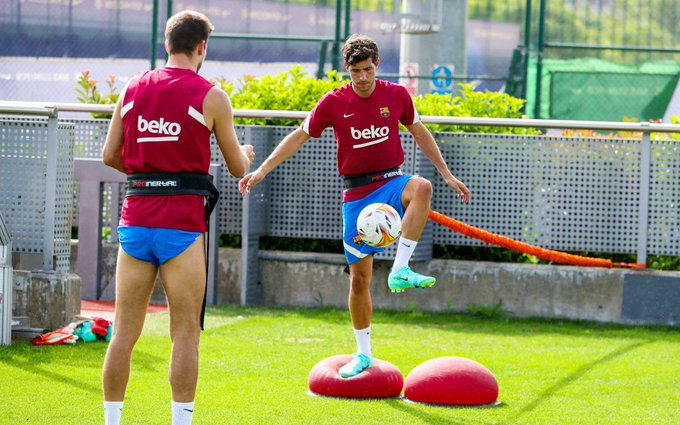
Pre-season training in football is far more than just getting players back into shape after the off-season break. It's a meticulously planned, scientifically-backed period that serves as the foundation for an entire competitive season. Whether you're a professional club or a youth team, understanding the principles and practices of effective pre-season preparation can make the difference between a successful campaign and one plagued by injuries and poor performance.
Why Pre-Season Matters: The Science Behind Success
Pre-season represents what sports scientists call the "preparatory phase" of periodization—a systematic approach to training that organizes different phases to achieve specific physiological adaptations. This 4-8 week period is when teams build the physical, technical, and tactical foundations that will support them through months of competitive football.
The theoretical importance extends beyond simple fitness. During pre-season, players' bodies undergo crucial adaptations: their cardiovascular systems become more efficient, their muscles develop greater strength and power, and their movement patterns become more refined. Equally important is the psychological preparation, as players rebuild confidence, establish team chemistry, and develop the mental resilience needed for competitive success.
The Five Pillars of Pre-Season Success
1. Enhanced Cardiovascular Fitness
Football demands both aerobic endurance for sustained performance and anaerobic power for explosive actions. While traditional pre-season approaches relied heavily on running-based conditioning, modern methodology increasingly emphasizes ball-based training methods. Pre-season now systematically develops both energy systems through a progressive shift from conventional running and interval training toward sport-specific exercises and games with the ball. This evolution reflects the understanding that fitness improvements are most effectively achieved and transferred to match performance when developed through football-specific movements, decision-making scenarios, and ball manipulation skills that mirror actual game demands.
2. Neuromuscular Strength and Power Development
Modern football requires players to be strong, powerful, and resilient. Pre-season strength training follows a systematic progression from general, low-intensity foundational work to sport-specific, high-intensity applications. The journey begins with basic movement patterns and general strength exercises at moderate intensities, gradually advancing through functional strength training that mimics soccer movements, and culminating in explosive, sport-specific power development at high intensities. This progression not only improves performance in actions like sprinting and jumping but also serves as crucial injury prevention, particularly for the hamstrings, groins, and knees that are most vulnerable in football. By moving from general strength foundations to football-specific power applications, players develop both the structural resilience and explosive capabilities needed for elite performance.
3. Technical-Tactical Integration
As physical capacity improves, training follows a systematic progression from general to increasingly specific tactical elements. This evolution begins with large-group activities and broad team concepts, gradually advancing to smaller sub-group combinations and more refined positional play. The progression moves from working with the entire team on basic organizational principles to focusing on specific units (defensive lines, midfield partnerships, attacking combinations) in increasingly complex scenarios. This approach ensures that enhanced fitness translates directly into improved match performance rather than existing in isolation. By moving from the most general tactical concepts involving larger groups (such as team shape and basic pressing organization) to the most specific tactical scenarios with smaller units (such as coordinated pressing triggers between 2-3 players and intricate build-up patterns in tight spaces), players develop both the physical capacity and tactical understanding needed to execute sophisticated game plans effectively.
4. Injury Prevention and Player Restoration
Pre-season provides the opportunity to address individual weaknesses, movement dysfunctions, and previous injury concerns before the competitive demands begin. Based on comprehensive physical testing conducted at the beginning of pre-season, each player's fitness status is thoroughly evaluated, allowing coaches to design individualized improvement programs tailored to their specific test results. This systematic approach enables the identification and correction of muscular imbalances, strength deficits, and movement asymmetries where they are observed. Special emphasis is placed on individual development according to each player's unique profile, ensuring that weaknesses are addressed and strengths are optimized. This proactive, data-driven approach significantly reduces injury risk during the season while maximizing each player's physical potential.
5. Team Culture and Standards
Beyond the physical preparation, pre-season establishes the behavioral and performance standards that will define the team throughout the season. It's when new players integrate and the collective identity forms. The intensive nature of pre-season, with its double training sessions and training camps, creates unique opportunities for enhanced player interaction and relationship building. This increased frequency of contact allows players to develop stronger bonds both on and off the pitch, fostering the trust and communication essential for effective teamwork. The shared experiences of challenging training sessions, group meals, and extended time together during camps naturally facilitate team building and create the foundation for the collective mentality that will sustain the team through the pressures of competitive football.

The Strategic Pre-Season Timeline: A Six-Week Blueprint
Weeks 1-2: General Physical Preparation (GPP)
The journey begins with building a solid aerobic base and reestablishing proper movement patterns. Training volumes are high but intensities remain moderate, allowing players' bodies to adapt gradually to increased demands. This phase emphasizes:
Aerobic conditioning through football-specific training using the ball for technical development, complemented with continuous running and tempo work
Movement mechanics and mobility restoration
Basic strength training with emphasis on proper form
Comprehensive injury prevention protocols
Training Game Periodization: Focus on large-sided games (9v9, 10v10, 11v11) with longer durations to emphasize aerobic capacity building, basic positioning, and extended ball contact time in a less intense environment.
Friendly Matches: Schedule matches against weaker opposition to allow for gradual match fitness development. Playing time should be equally distributed among all players with frequent rotations to ensure everyone gets adequate exposure while managing fatigue levels.
Weeks 3-4: Specific Physical Preparation (SPP)
As fitness improves, training transitions to more specific tactical and physical components with smaller spaces and reduced player numbers in subgroup work. Key focuses include:
Development of aerobic-anaerobic capacity through football-specific training with tactical emphasis, complemented with interval training for endurance improvement
Progressive strength development with introduction of maximal strength training
Integration of technical skills with physical demands
Introduction of basic tactical patterns and principles
Training Game Periodization: Implement medium-sided games (6v6, 7v7, 8v8) to increase tempo and decision-making demands while maintaining sufficient space for technical execution and tactical pattern development.
Friendly Matches: Arrange fixtures against medium-strength opposition that provides appropriate competitive challenge. Playing time distribution should become more strategic, allowing players to experience increased match intensity while continuing squad development.
Weeks 5-6: Competitive Readiness
The final phase simulates competitive demands while ensuring players peak at the right time. Training loads are carefully managed to avoid fatigue while maintaining sharpness:
High-intensity, game-specific conditioning
Power development and strength training optimization
Advanced tactical work and set-piece preparation
Friendly matches that progressively mirror competitive intensity
Strategic load reduction and recovery emphasis
Training Game Periodization: Utilize small-sided games (3v3, 4v4, 5v5) with high intensity and quick transitions to simulate match-like pressure, improve decision-making speed, and maximize touches in tight spaces - preparing players for competitive demands.
Friendly Matches: Face strong, competitive opposition that closely resembles regular season conditions. From week 5 onwards, begin transitioning key players toward 90-minute match fitness by gradually extending their playing time, while squad players continue with strategic rotations. Focus shifts to preparing the starting XI for full match demands.
Managing Risk: The Hidden Challenges of Pre-Season
Despite its benefits, pre-season carries inherent risks that must be carefully managed:
Injury Vulnerability: Research consistently shows spikes in soft tissue injuries during pre-season, particularly hamstring and groin strains, due to rapid increases in training loads and insufficient preparation.
Overtraining Risk: The enthusiasm to prepare thoroughly can lead to excessive training loads that result in fatigue, mood disturbances, and decreased performance rather than improvement.
Load Management Challenges: The concept of the Acute:Chronic Workload Ratio warns us that sudden spikes in training load (ratios above 1.5) significantly increase injury risk.
Psychological Stress: The pressure of selection, combined with high training volumes, can create psychological fatigue that undermines both performance and motivation.
Mitigation Strategies
Successful pre-season programs address these risks through:
Gradual Load Progression: Systematic increases in training volume and intensity
Comprehensive Monitoring: Using tools like GPS tracking, heart rate monitoring, and wellness questionnaires
Individualized Approaches: Tailoring programs to individual needs and injury histories
Recovery Emphasis: Structured rest days, sleep hygiene protocols, and strategic use of recovery modalities
The Power of Testing: Measuring Progress and Guiding Decisions
Comprehensive physical testing at the beginning and end of pre-season serves multiple crucial functions. It provides objective benchmarks for progress, identifies players at high injury risk, and guides individualized training decisions.

Aerobic Assessment: Tests like the Yo-Yo Intermittent Recovery Test measure match-relevant endurance capacity. Laboratory tests provide more precise physiological measurements, including maximal oxygen uptake (VO₂ max) to assess aerobic power, and lactate threshold testing to evaluate metabolic efficiency and determine the anaerobic threshold, which identifies optimal training intensities and endurance capacity at different exercise intensities.
Power and Speed Evaluation: Countermovement jumps, sprint tests, and repeated sprint ability assessments quantify explosive capabilities. Acceleration tests (typically 5m and 10m splits) and maximal speed tests (20m and 30m flying sprints) are particularly important for football, as they evaluate the different speed qualities crucial for match performance - the ability to accelerate quickly from stationary positions and maintain high velocities during longer sprints.

Strength and Stability Screening: Maximal strength tests (1RM or 3RM in exercises like squat and deadlift), isometric tests (such as isometric mid-thigh pull), and movement screens like the Functional Movement Screen identify weaknesses and asymmetries. Importantly, many strength tests are performed unilaterally (single-leg) to reveal differences between the two legs, which is crucial for injury prevention in football where bilateral strength imbalances significantly increase injury risk. Beyond quantifying strength levels, these assessments emphasize the critical evaluation of movement quality, analyzing how athletes perform fundamental movement patterns to identify compensations, restrictions, and dysfunctional patterns that may predispose to injury or limit performance potential.
Body Composition Analysis: Methods ranging from skinfolds to advanced techniques like DXA and bioelectrical impedance help optimize player physique for performance. Athletes are systematically evaluated for their body composition profile, including body fat percentage and muscle mass distribution. Based on these assessments, individualized interventions are designed when necessary for weight maintenance, weight loss, or weight gain through appropriate nutritional strategies. These tailored dietary approaches ensure that each player achieves and maintains their optimal body composition for peak performance while supporting their specific positional demands and metabolic requirements.
The Technology Revolution: Modern Monitoring Tools
Today's pre-season programs leverage sophisticated monitoring technologies:

GPS Systems track distance, speed, and acceleration loads
Heart Rate Monitoring provides real-time feedback on training intensity
Heart Rate Variability offers insights into recovery status
Wellness Questionnaires capture subjective feelings of fatigue and readiness
This data enables coaches to make informed decisions about training loads, recovery needs, and individual player management.
Recovery: The Often Overlooked Performance Factor
Recovery isn't just about rest—it's an active component of the training process. Effective pre-season programs incorporate:
Structured Rest Days that allow physiological adaptations to occur
Sleep Optimization protocols recognizing sleep as the ultimate recovery tool
Hydration and Nutrition strategies that support training adaptations
Recovery Modalities like massage, cold therapy, and stretching that help maintain performance during high training loads
Looking Forward: From Pre-Season to Peak Performance
A successful pre-season creates a platform for sustained success throughout the competitive season. Players emerge not just fitter and stronger, but more confident, cohesive, and resilient. They've developed the physical capacity to meet competitive demands, the technical skills to execute under pressure, and the tactical understanding to contribute to team success.
Most importantly, they've built the foundation of injury resilience that allows them to maintain their performance levels throughout a long and demanding season. The investment in comprehensive pre-season preparation pays dividends not just in immediate performance, but in the sustained excellence that defines championship teams.
Conclusion: The Art and Science of Preparation
Pre-season training represents the perfect combination of art and science. While the principles are grounded in solid research and proven methodologies, their application requires the artistry of experienced coaches who understand their players' individual needs and team dynamics.
The most successful programs are those that maintain scientific rigor while remaining flexible enough to adapt to circumstances. They balance the physical demands of preparation with the psychological needs of players, creating an environment where both individual and collective potential can be realized.
As football continues to evolve, so too must our approach to pre-season preparation. But the fundamental truth remains unchanged: teams that invest thoughtfully and systematically in their pre-season preparation create the foundation for sustained success throughout the competitive season. The work done in these crucial weeks doesn't just prepare players for the first match—it prepares them to thrive under the accumulated demands of an entire campaign.
Whether you're a coach planning your team's preparation or a player seeking to maximize your readiness, remember that pre-season is not a necessary evil to endure but an opportunity to build the foundation of excellence. Embrace it with the same intensity and professionalism you bring to competition, and watch as that investment transforms into sustained success on the pitch.


Comments